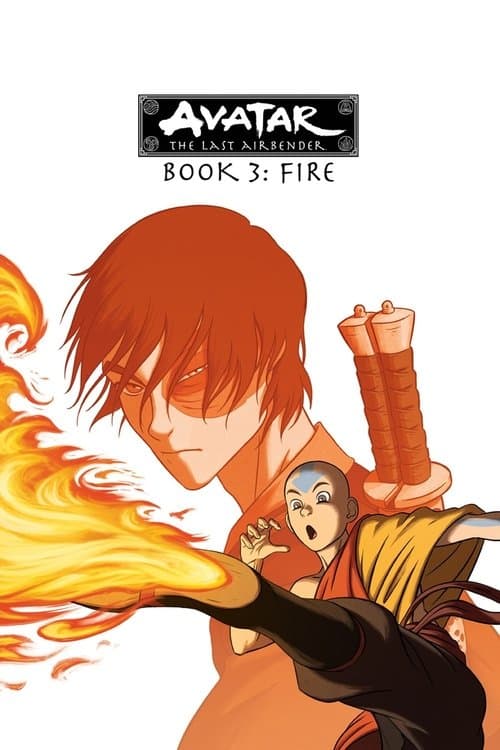
Avatar: The Last Airbender Season 3 features virtually no overt progressive ideological influence, maintaining the series' focus on epic fantasy storytelling, character redemption arcs like Zuko's internal conflict with honor and family, and high-stakes war plots such as the failed Day of Black Sun invasion and the final confrontations with Fire Lord Ozai. Casting uses the original voice actors, primarily young white performers voicing Asian-inspired characters, with no race-swapping, gender changes, or DEI-driven recasting controversies at the time of production. Themes emphasize balance, personal growth, and anti-imperialism in a nuanced fantasy context inspired by Asian martial arts and philosophy, without explicit social justice lectures, identity politics, or critiques of patriarchy/systemic issues. Female characters like Katara, Toph, and Azula are strong and central but integrated organically into the narrative as benders and warriors fitting the world's logic, not as vehicles for modern activism. Creators Bryan Konietzko and Michael Dante DiMartino drew from cultural inspirations without stating activist intent for the original series. Reception was overwhelmingly positive with no significant backlash labeling it 'woke'; any modern discussions retroactively claim it would be criticized as such today due to incidental diversity and empowered female roles, but these elements do not dominate or alter the story.