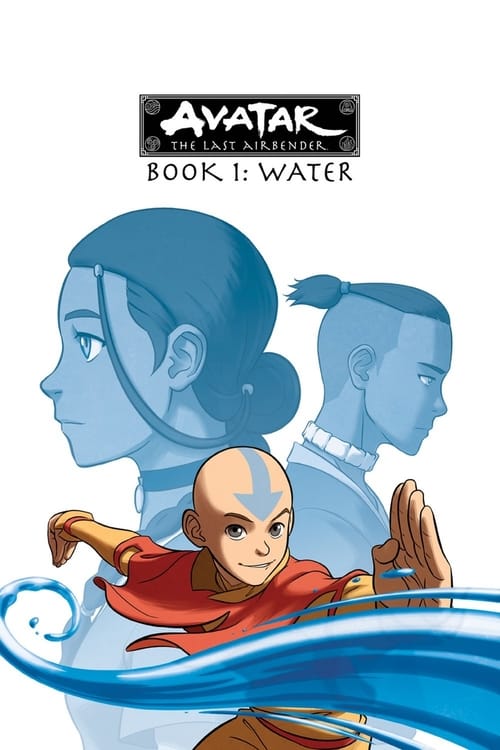
Avatar: The Last Airbender Season 1 features organic cultural diversity in its fantasy world-building, with nations inspired by Inuit, East Asian, and other non-Western cultures, but this serves the epic adventure narrative rather than pushing identity politics. Katara emerges as a strong female waterbender challenging gender roles in her tribe, and Sokka starts with mildly sexist views that evolve naturally through character growth, introducing light feminist undertones without lectures or dominating the plot. Anti-war themes appear through the Fire Nation's imperialism, but they are nuanced and integrated into Aang's journey as the Avatar, prioritizing entertainment and mythology over systemic critiques. Voice casting includes white actors for leads voicing visually non-white characters, which drew no contemporary backlash and predates DEI pressures. Creators Michael Dante DiMartino and Bryan Konietzko focused on storytelling inspired by global cultures without stated activist agendas for the original series. Reception was overwhelmingly positive with Emmys and fan adoration, lacking any 'go woke go broke' complaints; modern retrospective labels of 'woke' stem from contrasting it with forced remakes, not inherent messaging.