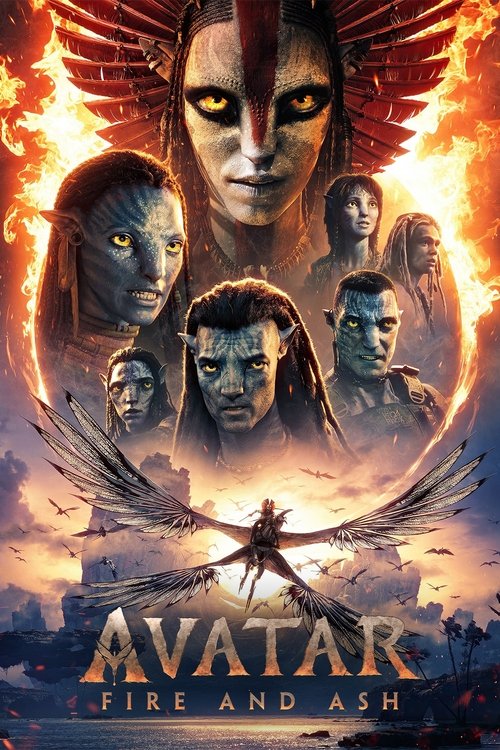
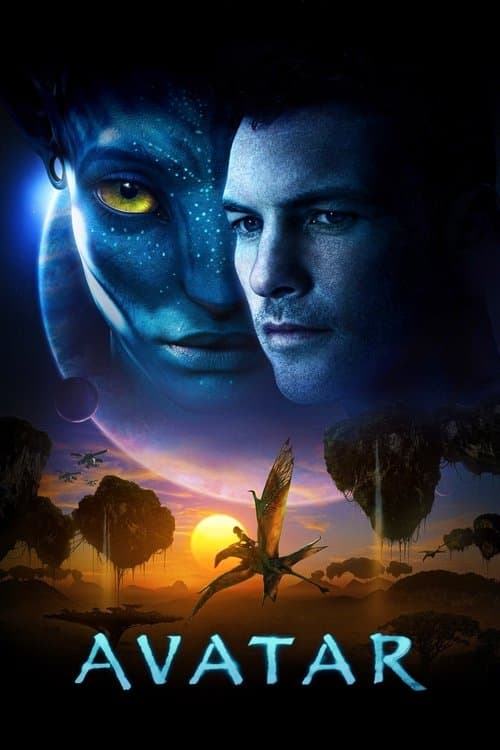
Avatar: Fire and Ash continues the franchise's established progressive undertones with environmentalism portraying humans as destructive colonizers despoiling Pandora, anti-imperialist conflict against RDA forces allied with the aggressive Ash People Na'vi clan, and feminist elements through prominent female warriors like Neytiri, Kiri, Ronal, and villain Varang leading battles and key arcs. Neytiri's character development confronts her prejudice against the Ash People, framed as 'racist' by actress Zoe Saldana, exploring themes of rage, grief, and overcoming tribal divisions for unity, which echoes anti-racism messaging about allying beyond differences. Casting features diverse voices including Zoe Saldana and Cliff Curtis, but no unjustified race or gender swaps; motion-capture allows organic diversity without clashing with the alien Na'vi setting. James Cameron's interviews emphasize grief, family, and Pandora's visuals over activism, though his history of strong women and eco-critique persists. Audience reception is largely positive with massive box office success exceeding $1B, some minor backlash over cultural appropriation of indigenous motifs by a mostly white voice cast, and scattered 'woke' complaints about noble savage tropes and girl-power, but these do not overshadow the spectacle-driven adventure. Progressive elements noticeably shape character arcs and themes without fully dominating the survival plot or causing widespread 'go woke go broke' rejection.