3Based
Analysis Score3/10
Agree?
TL;DR Verdict
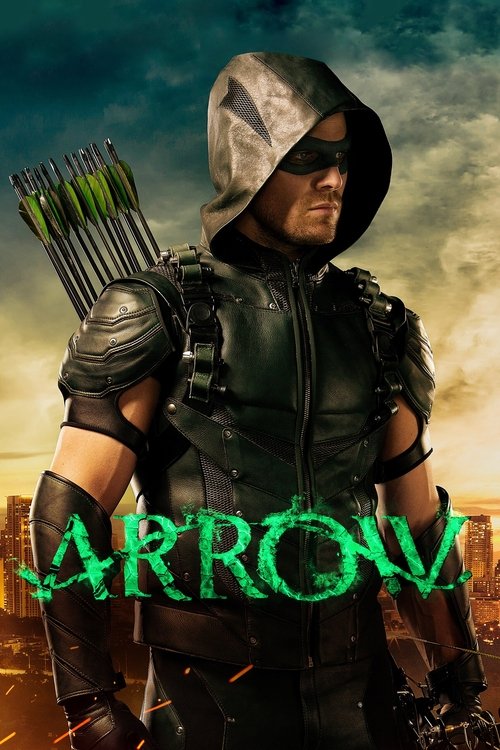
Arrow S4 delivers classic superhero fun with organic diversity, zero forced politics or lectures. Low woke score (3/10) = pure, neutral entertainment prioritizing thrills over activism.
Detailed Analysis
Top Cast
3.3
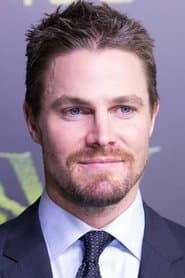
Stephen Amell
Oliver Queen / Green Arrow

3.3
Rick Gonzalez
Rene Ramirez / Wild Dog

3.3
Katherine McNamara
Mia Smoak / Blackstar
3.3
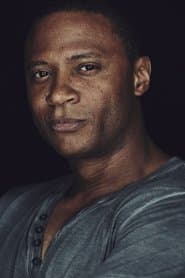
David Ramsey
John Diggle / Spartan

3.3
Katie Cassidy
Laurel Lance / Black Canary

3.3
Juliana Harkavy
Dinah Drake / Black Canary
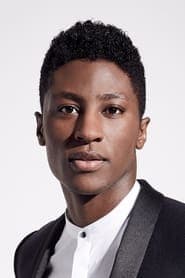
3.3
Joseph David-Jones
Connor Hawke

3.3
Ben Lewis
Adult William Clayton
You Might Also Like
Similar titles you might enjoy